Information
Understanding Infertility
Understanding infertility is the first step toward identifying effective treatment options.
Understanding infertility is the first step toward identifying effective treatment options.
Information
What is Infertility?
Infertility is defined as the inability to conceive after 12 months or more of unprotected sex. If you have been trying to have a baby for a year or more, it is time to speak to your GP. If you are over 35, you should see a doctor if you have been trying to conceive for six months or more.
About one in six Australian couples experience fertility difficulties. There are many reasons for this, some relating to the male partner, some to the female partner, and sometimes both. For many people, there is no medical explanation as to why they can’t conceive. This is referred to as unexplained infertility.
Infertility is defined as the inability to conceive after 12 months or more of unprotected sex. If you have been trying to have a baby for a year or more, it is time to speak to your GP. If you are over 35, you should see a doctor if you have been trying to conceive for six months or more.
About one in six Australian couples experience fertility difficulties. There are many reasons for this, some relating to the male partner, some to the female partner, and sometimes both. For many people, there is no medical explanation as to why they can’t conceive. This is referred to as unexplained infertility.
Infertility in the Population
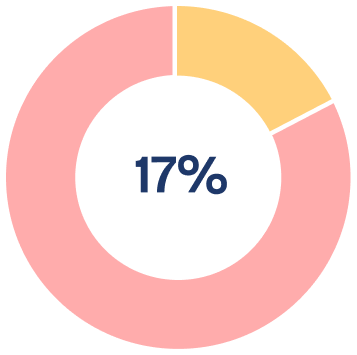
1 in 6 couples struggles with infertility.
Assisted Reproductive Technology Use
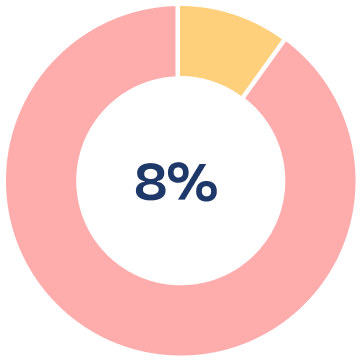
1 in every 18 of children born today through Assisted Reproductive Technology (ART).

Information
Getting Help
Speak to a GP
The first point of contact should be your GP who will start an infertility investigation. This involves a detailed medical history and a physical examination of both partners (if applicable) and some basic tests to make sure that the woman is ovulating and that the man produces sperm. If everything seems in order, your GP may advise you to keep trying for a little longer before consulting a fertility specialist. However, if your test results indicate a problem, your doctor will refer you to a fertility specialist straight away. The fertility specialist will do more tests to establish the cause of infertility and determine the type of fertility treatment you may need. Your GP may ask if you have a fertility specialist you would like a referral to or will recommend one.
The chance of fertility treatment working has greatly improved since the late seventies when the first IVF baby was born. Although your chance of having a baby with fertility treatment depends largely on factors that are beyond your control, there are some things that you can do to improve the odds. The lifestyle factors that influence the chance of natural conception for both men and women also affect your chance of success through fertility treatment.
Finding a fertility counsellor
If you want to speak to a private counsellor specialising in infertility, you can ask your fertility clinic about the counselling sessions included as part of your treatment.
Finding a fertility specialist
is important to find a clinic and doctor that is right for you. You can ask your GP for advice about choosing a fertility specialist, but you can also do your own research before committing to a doctor and clinic. You can find out more about choosing a fertility clinic here.
Helpful resources & support
Your Fertility – Understanding how to improve your chance of having a baby
Healthy Male: infertility – Understanding male infertility
Healthtalk Australia – Experiences of trying to conceive and first seeing help
Healthtalk Australia – Contributing factors to fertility problems
YourIVFSuccess – IVF Clinic Success Rates
Fertility Explained
Fertility, then Conception
Fertility is the ability to conceive a child. It’s not likely to be in your daily thoughts until you’ve decided to start a family. The level of fertility can be affected by many factors including age after mid-thirties, general health, stress levels, medical issues and illness, and lifestyle matters such as smoking, alcohol, and excessive or insufficient exercise.

DISCLAIMER: We are a fully volunteer-run organisation. If you find any information on this website you believe is incorrect or needs updating, please let us know at hello@artfam.com.au.
Acknowledgement of Country
ARTFam & ASMBC acknowledge the Traditional Custodians of the land on which we live, work, and build our families. We pay our respects to the Elders past and present, and we honour the strength, knowledge, and enduring connection that Aboriginal and Torres Strait Islander peoples have to family, community, culture and Country.
Sign up for newsletters