Community
IVF Treatment
We will support you with information you need to help you make right decisions.
We will support you with information you need to help you make right decisions.
How IVF Works
During your natural menstrual cycle, multiple follicles start growing. However, usually only 1 follicle is destined to ovulate and release an egg, as the rest go through cell death (atresia).
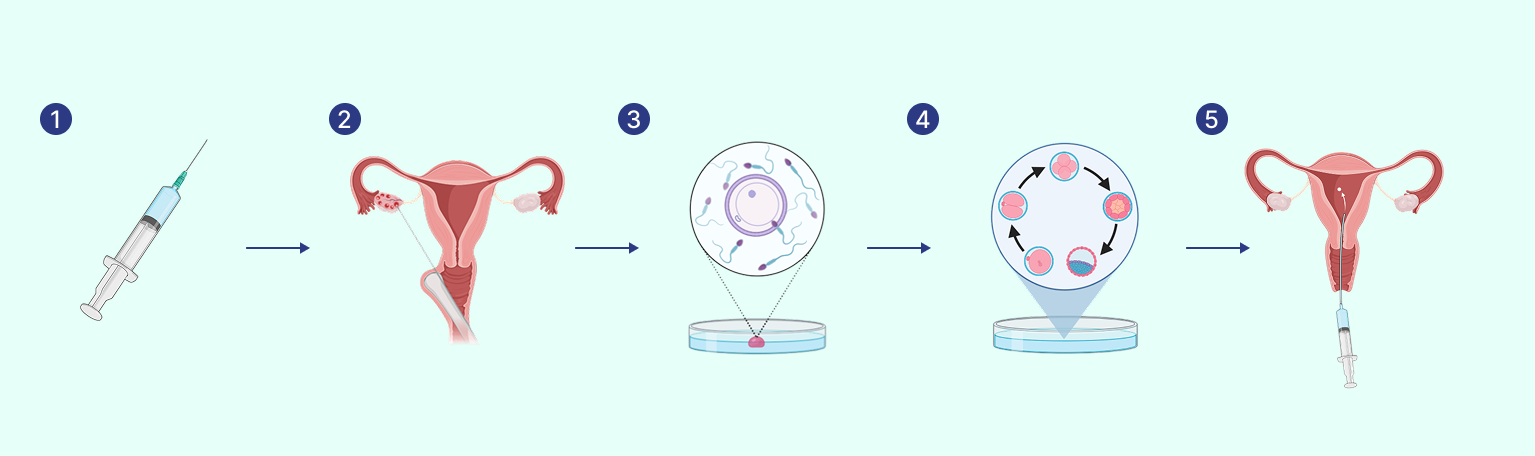
1. During IVF, hormone injections are used to stimulate the ovaries to help multiple follicles to develop and be monitored, often resulting in multiple eggs being collected.
2. When the developing follicles reach a certain size, indicating their potential to contain a mature egg (ready to be fertilised with sperm), they are retrieved in an ultrasound-guided procedure under light anaesthetic. Not every follicle contains an egg, however some will contain multiple eggs.
3. The eggs collected are placed with the sperm of your partner, or donor, in a culture dish in the laboratory to allow the eggs to hopefully fertilise, and embryos to develop.
4. The embryos are monitored, and development is assessed over a period of time.
5. Three to five days later, if suitable, one embryo is placed into the uterus of the woman or person undergoing treatment – this is an embryo transfer. If there is more than one embryo, the remaining embryo/s can be frozen and used in a future treatment known as a frozen embryo transfer (FET).
What are the Benefits and Risks of IVF?
IVF is a safe procedure and medical complications are rare, but, as with all medical procedures, there are some risks.
Physical complications that need treatment in hospital occur in about 1 in 100 people going through stimulated IVF cycles. Examples include infection and bleeding post egg collection, and OHSS (Ovarian Hyperstimulation Syndrome). OHSS occurs as an excessive response to fertility medications taken during treatment to stimulate the ovaries to produce multiple eggs, which can be a potentially serious problem. IVF clinics monitor patients carefully to reduce the risk of OHSS e.g. cancelling a fresh embryo transfer.
There are also individual factors that can increase your risk of pregnancy complications. You should speak to your fertility specialist about your own individual circumstances.
Information
IVF Success Rates
Clinics report success rates in different ways, so when comparing clinics’ success rates make sure you compare like with like or ’apples with apples’. Above all, you need to carefully consider your personal circumstances and medical history when estimating your chance of having a baby with IVF.
Complete IVF Cycle Success
First IVF Attempt Success
IVF success rates as determined by age
The chance of successful pregnancy from the first IVF cycle using own eggs varies by age and are approximately:
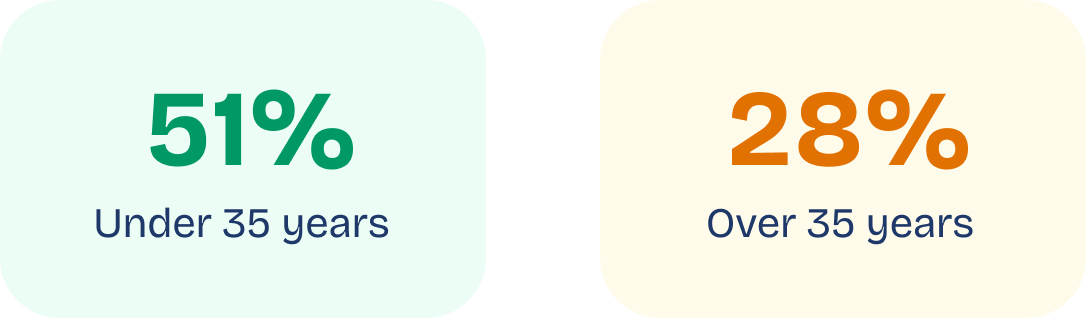
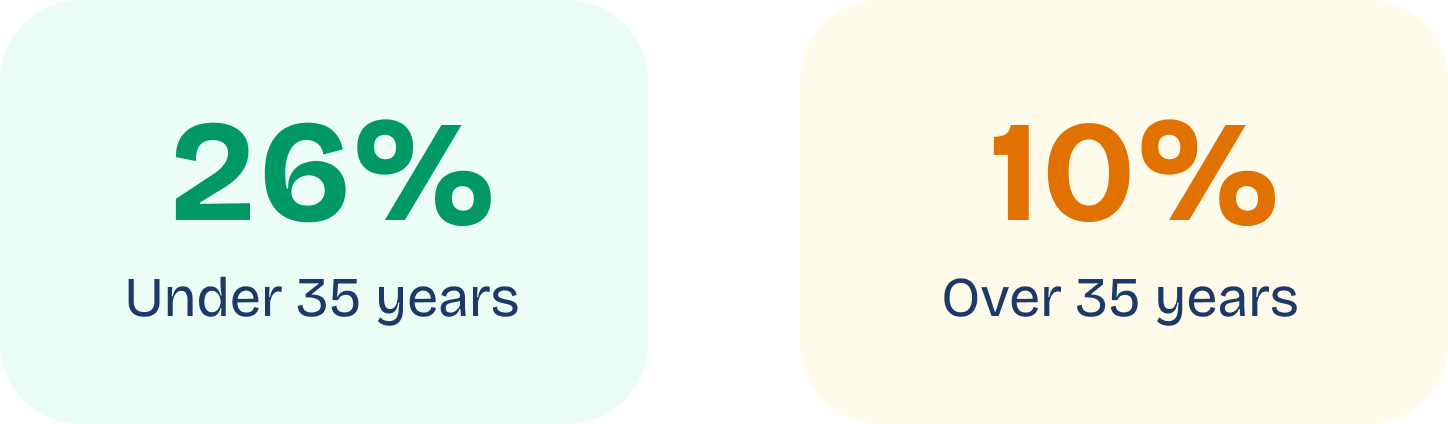
· 51% under 35 years after one complete IVF cycle (26% on the first IVF attempt).
· 28% for over 35 years after one complete IVF cycle (10% on the first IVF attempt).
Success rates drop sharply for women over 38-40 due to declining egg quality.
Source : University of Melbourne via ANZARD.
DISCLAIMER: We are a fully volunteer-run organisation. If you find any information on this website you believe is incorrect or needs updating, please let us know at hello@artfam.com.au.
Acknowledgement of Country
ARTFam & ASMBC acknowledge the Traditional Custodians of the land on which we live, work, and build our families. We pay our respects to the Elders past and present, and we honour the strength, knowledge, and enduring connection that Aboriginal and Torres Strait Islander peoples have to family, community, culture and Country.
Sign up for newsletters