Information
Understanding Embryo Updates
We will support you with information you need to help you make right decisions.
We will support you with information you need to help you make right decisions.


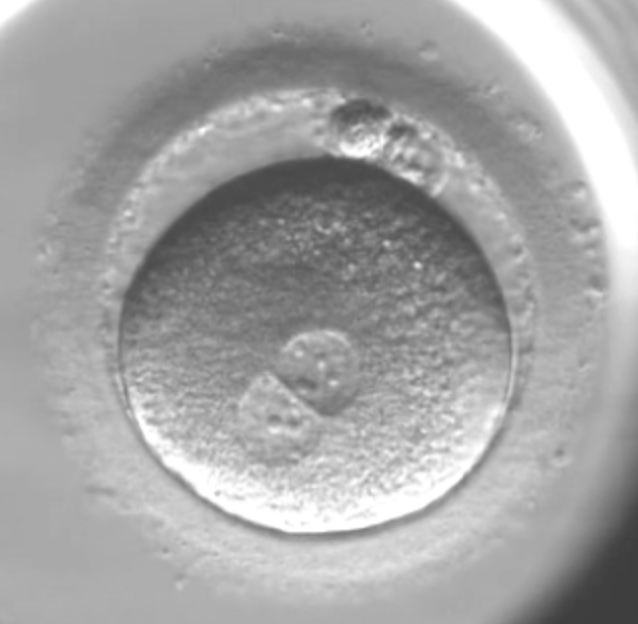
On Day 1, the embryologist checks if the eggs have fertilised by looking for a little circle either on the inside or outside of the egg, or both (protocols will vary between clinics). Fertilised eggs are known as zygotes and have officially become an embryo.
Later on Day 1, and depending on when the embryologist calls you, the embryo will begin its division and become two cells.
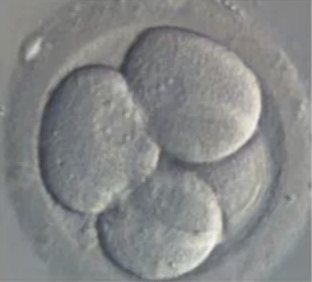
By Day 2 the embryo will hopefully continue its division to become four even cells.
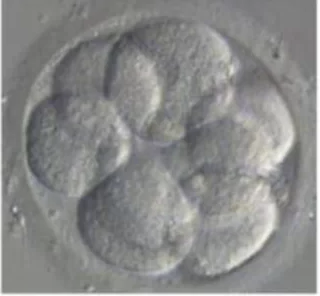
By Day 3 the embryo will ideally have further divided into 8 even cells. But sometimes it may be seven or five, and these embryos are still in the game.
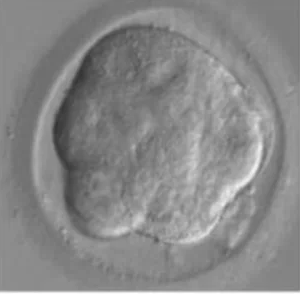
By Day 4 the cells of the embryo will ideally have divided so much that they have begun to fuse to form a blob of undefined number of cells.
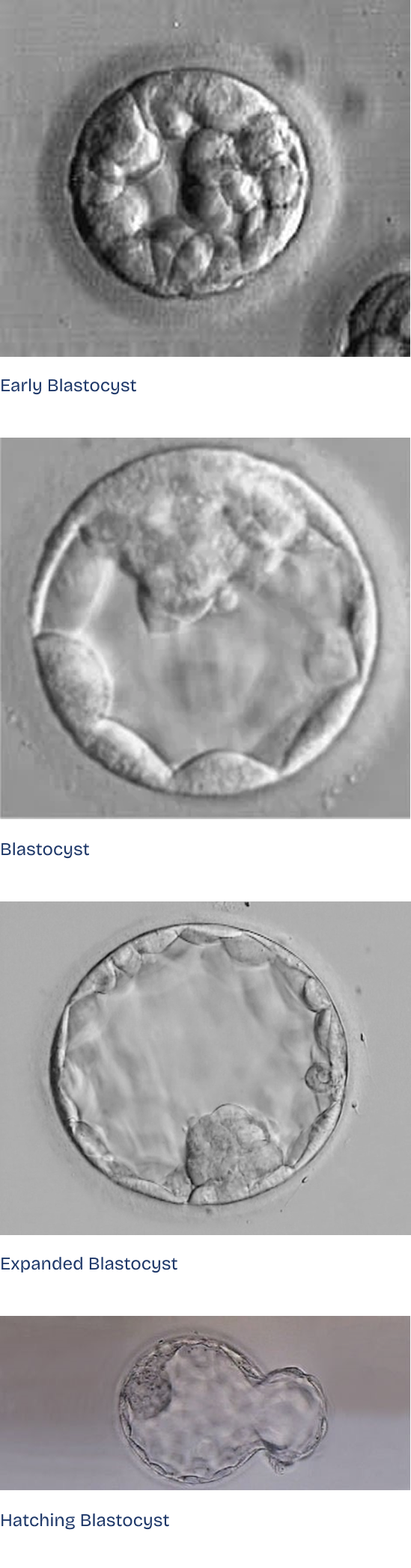
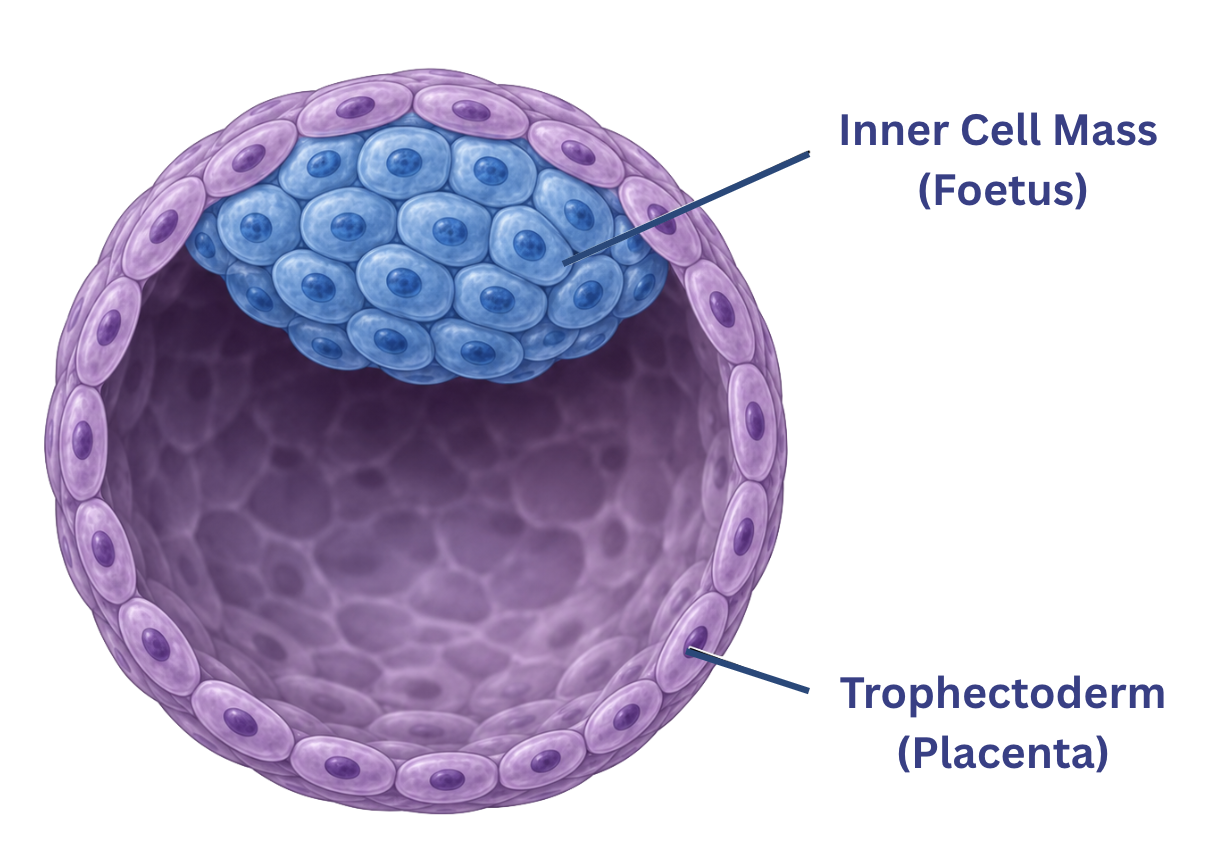
By Day 5 the embryo will ideally become a blastocyst. A blastocyst looks like an easter egg where you can see a scalloped outer edge of cells called trophoblasts which form the placenta, and a small ball of cells on the inside called the inner cell mass which will eventually become the foetus.
As a blastocyst, the embryo has now reached the ideal stage of development where it can be either frozen for future use, or transferred to your uterus in an embryo transfer depending on its grading.
Information
Understanding the Grading System
The exact grading system can vary slightly between clinics but the general principle of the grading should be the same in Australia.
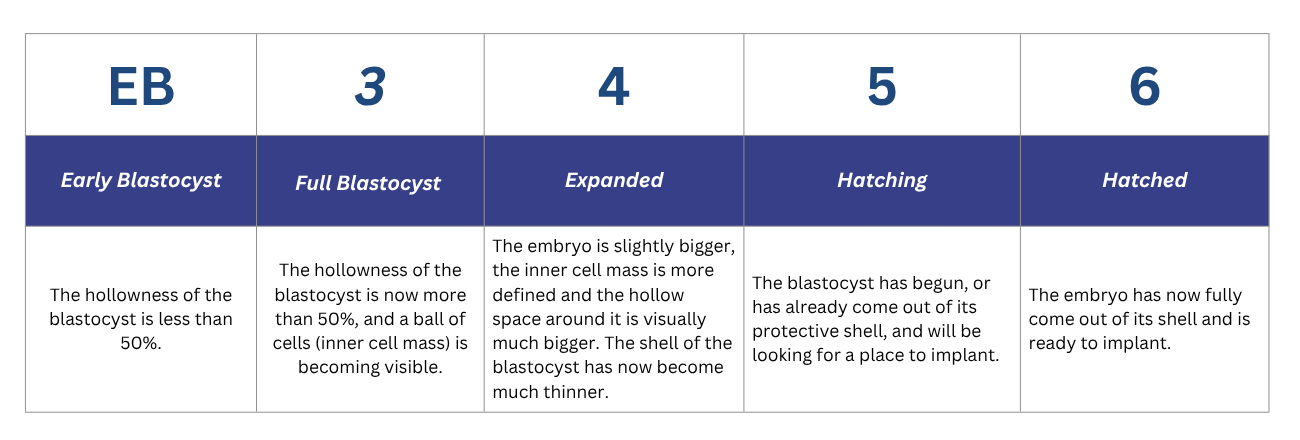
Blastocysts are assessed and further categorised into the following which are associated with a number.
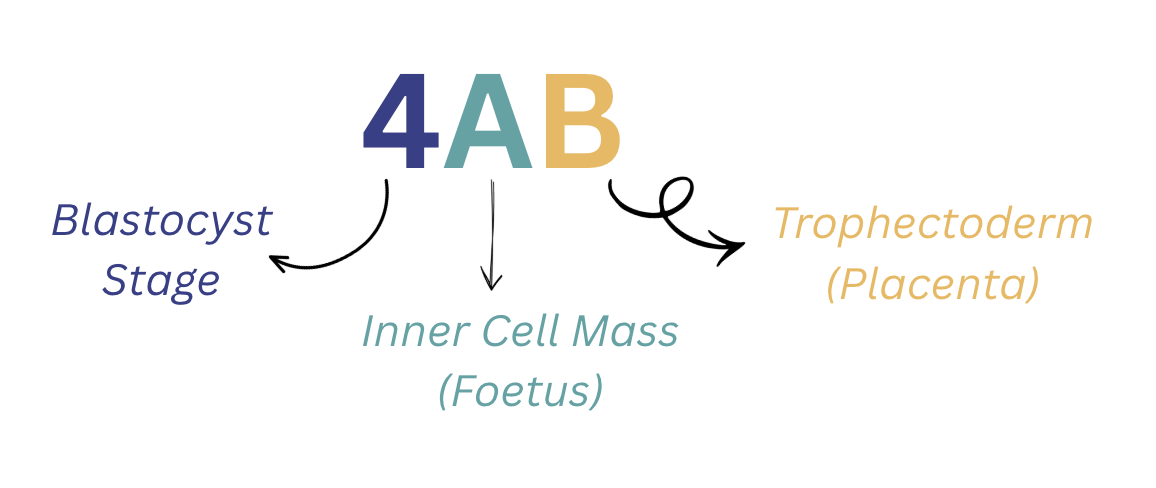
Embryologists not only assess the stage of development but the quality of the embryo morphology or appearance. They look at the Inner Cell Mass, the small ball of cells on the inside of the embryo, which goes on to form the foetus, and the Trophectoderm which is the outside of the embryo which eventually forms the placenta.
These are generally assessed with the following descriptions:
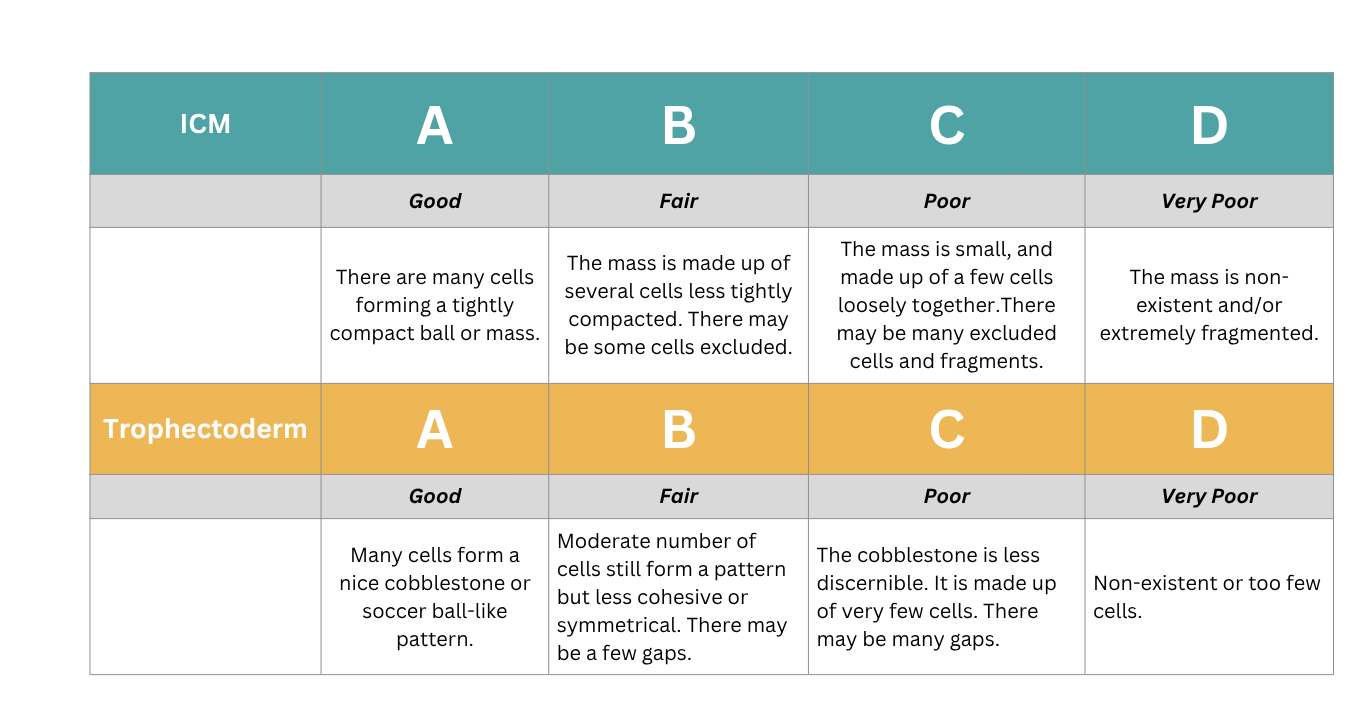
Upon assessment, each of your embryos should be awarded a grade made up of the 3 characters like this: