Select Page

Community

Fertility Preservation

Understanding your options for preserving fertility, for personal reasons, medical treatment, or a cancer diagnosis.

Women’s Fertility Preservation

Options to help preserve your fertility for the future, from egg freezing to ovarian tissue preservation.

Egg Freezing

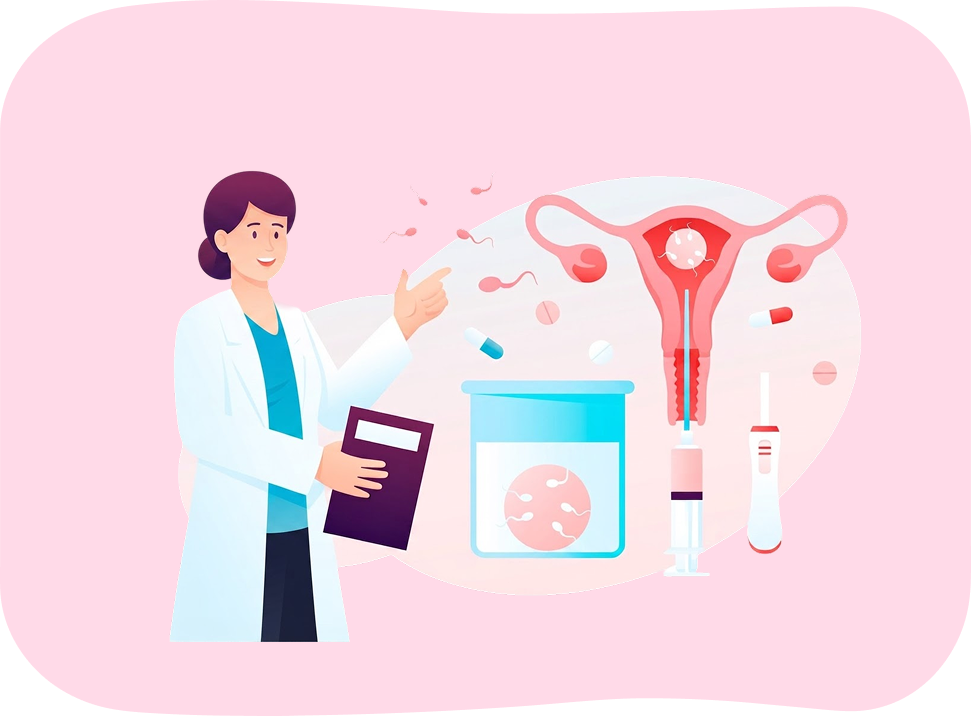
Egg freezing is a way of trying to preserve your fertility so you can attempt a pregnancy with IVF in future. Egg freezing offers the potential to preserve fertility but there is no guarantee of a baby, so it is important that you are well-informed about all aspects of egg freezing before you proceed.

In Australia, use of egg freezing has rapidly increased in recent years, but the total number of women returning to use these frozen eggs are small.

Additionally, in the UK, the Human Fertilisation and Embryology Authority reported that 18 per cent of women successfully had a baby using their frozen eggs.

Information

Why Should I Freeze My Eggs?

You may consider freezing your eggs if you are:

  • Facing medical treatment that may affect your fertility, such as some forms of cancer treatment, or gender transitioning
  • Not ready to have a child during your most fertile years for personal reasons, concerned about your fertility declining as you get older or feel you are not currently in a position to have a child
  • At risk of premature menopause or have endometriosis

Information

What is the Process?

Your fertility specialist will develop a plan for your treatment and prescribe medications to stimulate your ovaries. You will then have an egg collection procedure, where typically, only the eggs that are mature will be frozen and stored.

Risks

A small proportion of women have an excessive response to the fertility drugs that are used to stimulate the ovaries. In rare cases this causes Ovarian Hyperstimulation Syndrome (OHSS), a potentially serious condition. Bleeding and infection are very rare complications of the egg retrieval procedure.

Information

Financial Considerations

The cost of egg freezing varies between fertility clinics. In most cases there is only a Medicare rebate provided for egg freezing for medical reasons. For women who choose to freeze their eggs for other reasons, known as social infertility, some clinics may charge a fee close to the out-of-pocket expenses as if there were Medicare rebates, but some may not. It is best to speak to your clinic to better understand and plan for your treatment.

Fertility clinics usually charge for:

  • Management of the hormone stimulation of your ovaries (devising a plan for your treatment and prescribing medication)
  • The medication used to stimulate the ovaries
  • The egg collection procedure, which may include admission to a private or day hospital, and fees for an anaesthetist
  • Freezing and storage of the eggs

Medicare does not cover the storage of frozen eggs so you may like to consider the long-term expenses of storing your eggs and if there are any payment plan options (e.g. monthly or annually) your clinic offers to make this financially sustainable. Be aware that if you decide to use the eggs to try to conceive through IVF, this treatment will incur a separate set of costs as per normal.

Questions to Ask Your Fertility Specialist

Information about egg freezing, success rates and costs on fertility clinic websites varies. It is important that you are well-informed about all aspects of egg freezing before you decide to proceed. Here are some questions you may wish to ask your doctor:

  • What is the clinic’s success rate for egg freezing and egg thaw?
  • How many live births have resulted from these thawed eggs?
  • What is my chance of having a baby from frozen eggs, considering my personal circumstances such as my age and estimated ovarian reserve (a measure of how many eggs you are likely to produce)?
  • How many eggs should I store to have a reasonable chance of having a baby? (You might require more than one stimulated cycle to retrieve enough eggs to give you an acceptable chance of success further down the track)
  • What is the approximate total cost, bearing in mind that I may need more than one stimulation and egg retrieval procedure to yield enough eggs?

Information

Other Options

Freezing embryos

Freezing embryos can also be used for fertility preservation as part of fertility treatment. Embryos have more cells than eggs (which are just a single cell), and are therefore more resilient during the freezing and thawing processes compared to eggs. This may be something you would like to discuss with your specialist in more detail.

Freezing ovarian tissue

Freezing ovarian tissue (ovarian tissue cryopreservation) is a relatively new approach used to help women undergoing chemotherapy preserve their fertility. It is a surgical procedure in which a small amount of ovarian tissue is collected, cut into slices, frozen and stored. These tissue slices can be thawed and transplanted back at a later date. The aim is for the woman to start producing hormones and release eggs.

Information

Options for transgender & gender diverse people

Click here to know fertility preservation options for transgender & gender diverse people.

Men’s Fertility Preservation

There are two methods used to preserve fertility, including sperm freezing and testicular biopsy.

Sperm Freezing

  • You produce a semen or sperm sample through masturbation in a private room in the fertility clinic.
  • A lubricant (including saliva) cannot be used as this can contaminate and/or damage the sperm.
  • Small amounts of sperm are placed in straws which are carefully labelled. These straws are then frozen and stored in a tank with liquid nitrogen at the clinic.
  • If possible, several samples are stored to make sure there is enough sperm to conceive one or several children.
  • While the freezing process usually affects the quality of the sperm, in most cases plenty of good quality sperm survive. This method is also used for men before they begin cancer treatment or gender transitioning.

Once you are ready to try for a baby, you can undergo fertility treatments such as IVF or artificial insemination with thawed sperm.

Testicular Biopsy

Sometimes it is not possible to get a good sample of sperm through masturbation. In such cases your doctor will talk to you about testicular biopsy in which sperm are harvested directly from the testes.

Cancer and Fertility

Some cancer might influence your fertility.
Some cancer treatments can affect your fertility. If you have been diagnosed with cancer, fertility preservation is an important consideration. Depending on the type of cancer and its treatment, your fertility may recover, but the treatment may also cause temporary or permanent infertility.

Cancer and its treatment can affect:

  • ovarian function and the production of sperm
  • the ability to carry a pregnancy
  • the ability to have sexual intercourse
  • emotions and feelings, which can impact on relationships

Some factors may reduce fertility including:

  • The type of cancer. Testicular cancer or Hodgkin’s Lymphoma can result in poor sperm count or quality
  •  The type of treatment. Radiation treatment to the pelvis is more likely to lead to infertility than radiation to other parts of the body. Chemotherapy using particular agents may be more likely to affect fertility than treatment with other agents
  • The dosage. Higher doses of chemotherapy or radiotherapy used for a longer period of time are more likely to affect fertility than lower doses used for a shorter time
  • In general, the older a woman is at the time of diagnosis, the fewer eggs she will have, the poorer their quality will be, and the more vulnerable her ovaries will be to the effects of chemotherapy.

The good news is that there are a number of fertility preservation options for both men and women with cancer to provide you with a good chance of having a baby in the future.

Information

Following a Diagnosis

When you are diagnosed with cancer everything can seem overwhelming. For most, focusing on getting through treatment takes priority. However, it is important that you (and your partner, if applicable) speak with your doctor (oncologist or haematologist) about how the cancer and treatment can affect your fertility and ability to have a child in the future.
Your doctor will be able to take you through the advantages and disadvantages of different treatment options. They can also refer you to a fertility specialist for fertility preservation (both before and after treatment) and the use of contraception to avoid unwanted pregnancy.

Information

What are My Options?

Advances in technology mean that as time progresses, more fertility preservation options become available, each with advantages and disadvantages. For men, options include sperm freezing or gonadal shielding (for radiation therapy). For women, options include egg freezing, embryo freezing, gonadal shielding or ovarian transposition (for radiation therapy).

After treatment you can have a fertility assessment to see if your fertility has been affected. If not, you can try to conceive naturally. If your fertility has been affected, your fertility specialist will discuss the best option to use your stored eggs, sperms or embryos based on your personal circumstances. This may include using IVF, intrauterine insemination, or home insemination.

There are also options if you are unable to conceive naturally and did not have the opportunity to preserve your fertility before cancer treatment. These include:

Resource

ART Storage Funding Program

The Australian Government has a Storage Funding Program which covers the cost of ongoing storage of your frozen gametes if you have cancer or you are at risk of passing on a genetic condition. Speak to your clinic to see if you are eligible and if they can facilitate your application.

DISCLAIMER: We are a fully volunteer-run organisation. If you find any information on this website you believe is incorrect or needs updating, please let us know at hello@artfam.com.au.

Acknowledgement of Country

ARTFam & ASMBC acknowledge the Traditional Custodians of the land on which we live, work, and build our families. We pay our respects to the Elders past and present, and we honour the strength, knowledge, and enduring connection that Aboriginal and Torres Strait Islander peoples have to family, community, culture and Country.

Sign up for newsletters