Select Page

Information

Things to Consider

We will support you with information you need to help you make right decisions.

We will support you with information you need to help you make right decisions.

Information

Possible Emotional Effects of Fertility Treatments

Fertility treatments are psychologically and emotionally demanding.

In Australia, counselling services are available in all fertility clinics. People who have fertility treatments and their partner (if applicable) are encouraged to use these services if they experience emotional difficulties, particularly when:

• Waiting for results after embryo transfer and/or when treatment fails
• Deciding whether to continue or stop treatment
• Considering what to do with unused embryos
• The strain of fertility treatments causes relationship changes
• Managing and balancing employment.

Information

Possible Physical Effects of Fertility Treatments

Physical complications requiring hospital admission occur in about one per cent of all stimulated treatment cycles.
The most common complication is Ovarian Hyperstimulation Syndrome (OHSS). This can develop as a result of the fertility drugs which are used in IVF to stimulate the ovaries to produce multiple eggs. OHSS is a potentially serious condition which, in very rare cases, can lead to blood clots, kidney failure and death. All IVF programs monitor patients carefully to minimise the risk of OHSS.

If you develop an excessive number of follicles in response to the fertility drugs, your doctor may recommend that the cycle be cancelled before egg collection to avoid OHSS. Or, if the doctor has reason to believe that you are at risk of OHSS after the egg collection procedure, the advice may be to freeze all the embryos and then transfer them, one at a time, when the ovaries return to normal.

Surgical complications which require hospital admission, such as bleeding and infection from egg collection, occur in less than 0.5 per cent of IVF cycles.
The risk of serious complications from general anaesthesia and sedation is approximately one in 50,000 treatment cycles.

Information

Managing and Balancing Employment

Balancing employment, treatment and fertility clinic visits can be disruptive and challenging. Many people prefer to continue working full-time to ensure they are financially supported and to try to maintain a normal lifestyle. Others choose to work part-time or not work at all. It is important to know that whether you decide to work full-time or not at all, will not affect the outcome of the treatment.

Treatment can impact your work as you will need time off for appointments and medical procedures. You are not obliged to tell your employer that you are undergoing fertility treatments, but you may need to supply medical certificates for time taken off work. You can ask your clinics to modify or supply discrete medical certificates (e.g. without any indication to fertility or IVF clinics) if they do not already. If your organisation has an Employee Assistance Program you may choose to use the confidential counselling offered.

If possible, give your employer advance warning about dates you may be absent. If you have important work dates or travel commitments, inform the clinic nurses at the beginning of your treatment cycle. It may be possible to modify your medication to suit your timetable. If not, ask the nursing staff for approximate dates and times to help with planning your work schedule.

Information

For Family and Friends

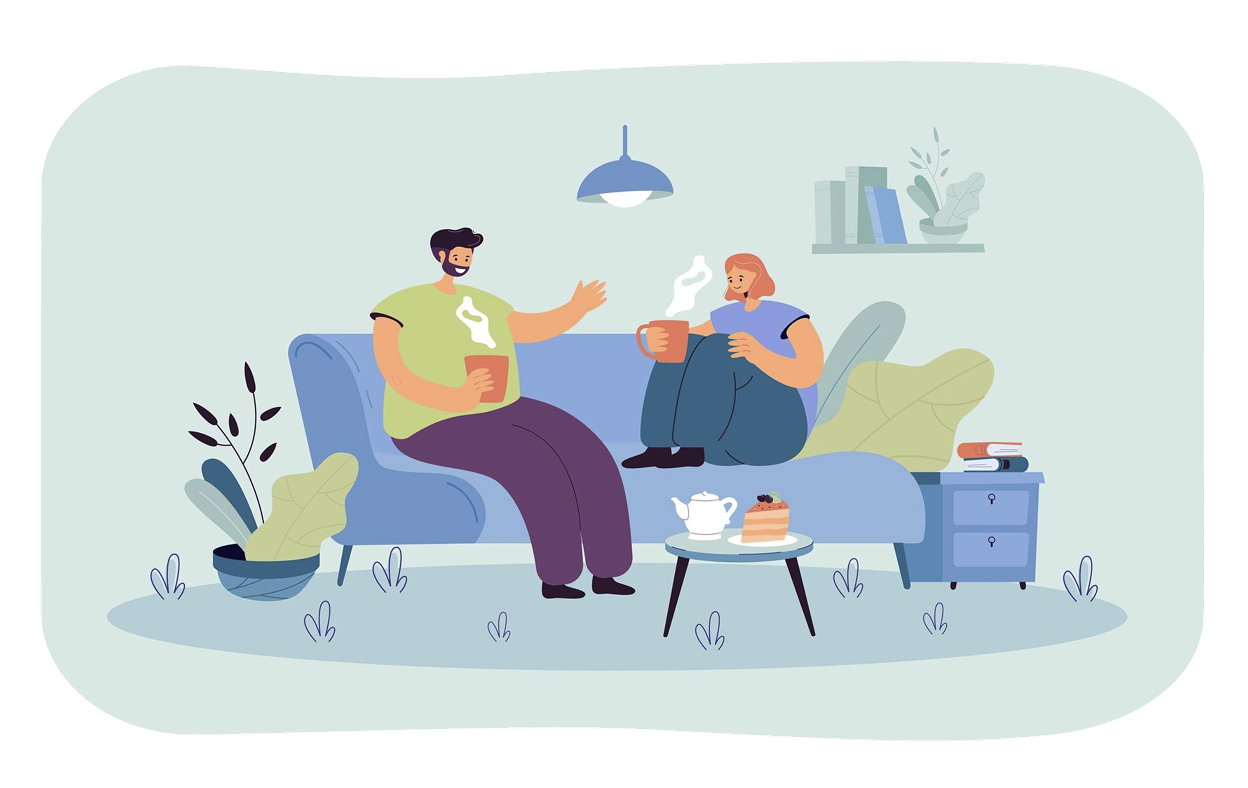
Fertility treatment is demanding, whether someone is doing it alone or with the support of a partner. Showing your friend or family member that you are thinking of them and are there for them can make a real difference. Sometimes friends and family worry that they might say the wrong thing so avoid the person altogether.

If possible, give your employer advance warning about dates you may be absent. If you have important work dates or travel commitments, inform the clinic nurses at the beginning of your treatment cycle. It may be possible to modify your medication to suit your timetable. If not, ask the nursing staff for approximate dates and times to help with planning your work schedule.

Suggestions to Help your Friend and Family

Here are some practical suggestions to help support your friend or family member:
• Find out more about fertility treatments.
• Offer support. Some people like to talk about their treatment, others might be more private. Ask them what they prefer, understanding that this may change over time and they are likely to want to talk about things other than treatment. If they indicate that they would appreciate your support, phone calls or messages can let them know you care.
• Practical help. Depending on individual circumstances, offering to help with meals, housework, shopping, gardening, or driving them to appointments can be helpful.
• Help take their mind off treatment. Provide opportunities to get out, but make sure you give them the chance to opt out.
• Special days like Christmas, Passover, Mother’s Day and Father’s Day, and events like christenings and children’s birthdays may be challenging. Acknowledge this and talk to them about it.

DISCLAIMER: We are a fully volunteer-run organisation. If you find any information on this website you believe is incorrect or needs updating, please let us know at hello@artfam.com.au.

Acknowledgement of Country

ARTFam & ASMBC acknowledge the Traditional Custodians of the land on which we live, work, and build our families. We pay our respects to the Elders past and present, and we honour the strength, knowledge, and enduring connection that Aboriginal and Torres Strait Islander peoples have to family, community, culture and Country.

Sign up for newsletters