Select Page

Community

I am a Transgender Person

We will support you with information you need to help you make right decisions.

We will support you with information you need to help you make right decisions.

Information

Options for Transgender & Gender Diverse People

Fertility preservation is an option for transgender and gender diverse people who may want to have children in the future.

There can be many things to consider when affirming your gender, including whether or not to pursue medical options such as hormone therapy or surgery. With so much to think through, the question of whether you might like to have a family in the future and what steps could help preserve that option, can sometimes get lost in the process.

It is important to consult a fertility specialist early, ideally before beginning any hormone therapy or surgical procedures that may affect your reproductive organs, to discuss your options in the context of your own circumstances. A fertility specialist can support you at any point in your journey. It is also worth noting that some people may have pre-existing fertility considerations unrelated to gender-affirming care, and a fertility specialist can help you understand your full picture.

Information

For Trans Men (Assigned Female at Birth)

Testosterone therapy creates significant changes to the body, including cessation of egg production and the menstrual cycle. Fertility may be restored if testosterone is ceased, but this cannot be guaranteed. Steps can be taken to preserve fertility before beginning hormone therapy, and reproductive options also exist for those who have already started or completed aspects of medical transition.

Information

Before Beginning Hormone Therapy

Traditional Conception

Traditional conception – Choosing to conceive before starting hormone therapy may be an option for some people. Others may not want to proceed this way for a variety of reasons, including not wanting to delay next steps in their gender-affirming care.

Egg Freezing

Egg freezing – Fertility can be preserved through egg freezing before hormone therapy begins. This involves treatment to stimulate development of multiple eggs, which are then collected and stored for later use. The process is similar to the first stage of an IVF cycle and involves hormone injections and internal ultrasounds. Side effects from the medication may occur.
It is important to understand that egg freezing does not guarantee a successful pregnancy when you are ready to use them.

Embryo creation via IVF

Embryo creation via IVF – Another option is to create embryos using IVF before beginning hormone therapy. This requires sperm from a donor or from a partner who produces sperm. The embryos are then frozen for later use. Depending on your circumstances, the embryo may be carried by you, by your partner, or by a surrogate.

Information

After Beginning or Completing Hormone Therapy
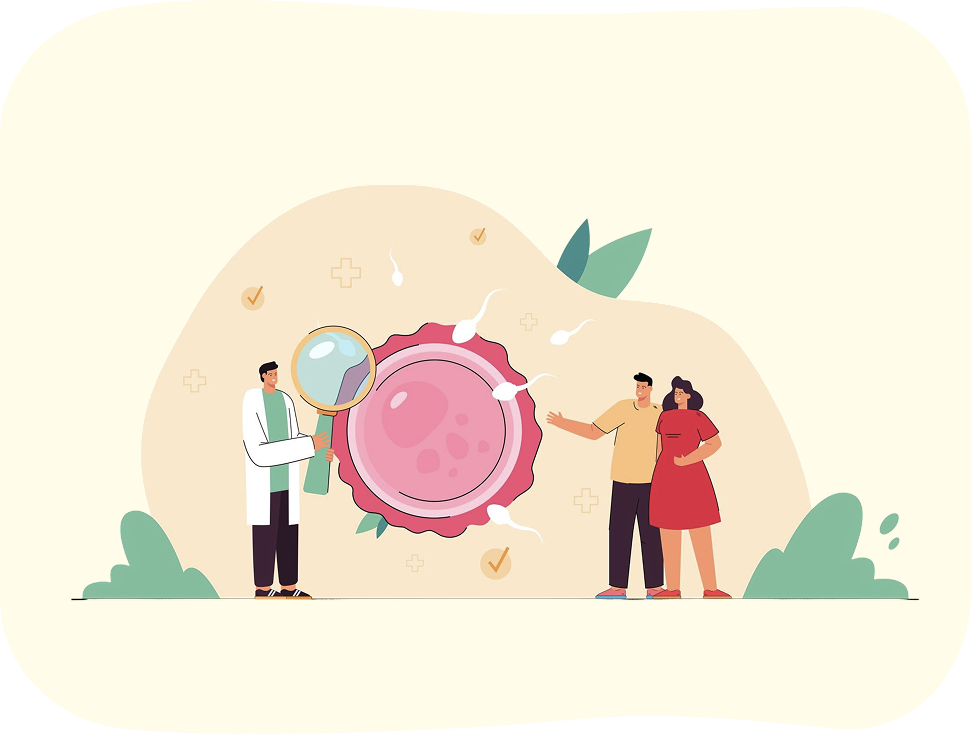
If you have stored eggs or embryos, these can be used to have a child with the help of a surrogate, or if you have a partner who has a uterus and is able to carry a pregnancy – your partner may be able to carry the pregnancy for you.

If you have not stored eggs or embryos and have not had surgery affecting your reproductive organs, it may be possible to pause hormone therapy, allow egg production to resume, and attempt to conceive. This approach requires careful medical management and may present additional emotional challenges. It is also not yet fully understood whether hormone therapy may affect the health of a child conceived this way.

Additional support from your treating doctor and a counsellor or therapist is strongly recommended before and throughout this process.

Donor sperm is an option regardless of whether you have a partner. Surrogacy is also an option depending on your circumstances.

Information

For Trans Women (Assigned Male at Birth)

Oestrogen therapy (often alongside antiandrogens) will over time reduce and likely cease sperm production and may make erection and ejaculation difficult or not possible. Fertility is unlikely to be restored after a significant period on hormone therapy, and there is currently no reliable way to predict how quickly fertility loss occurs. Reproductive options do exist both before and after starting hormone therapy.

Information

Before Beginning Hormone Therapy

Traditional Conception

Traditional conception – For those who have a partner with a uterus who is able to conceive, conception via intercourse or insemination before starting hormone therapy is the most straightforward and least costly path to having a child, though it may be emotionally difficult for some people.

Sperm Freezing

Sperm freezing – Sperm can be frozen before beginning hormone therapy. This is usually done by producing a sample at a fertility clinic, though in some cases it may be possible to bring a sample from home. The sperm is stored in labelled straws or vials in liquid nitrogen. For those unable to produce a sample this way or have very low sperm concentration, sperm can be collected via testicular biopsy.

Embryo creation

Embryo creation – For those who are single or who have a partner who does not produce eggs, building a family will require a donor egg or embryo and a surrogate. This path is available before or after beginning hormone therapy.

Information

After Beginning or Completing Hormone Therapy
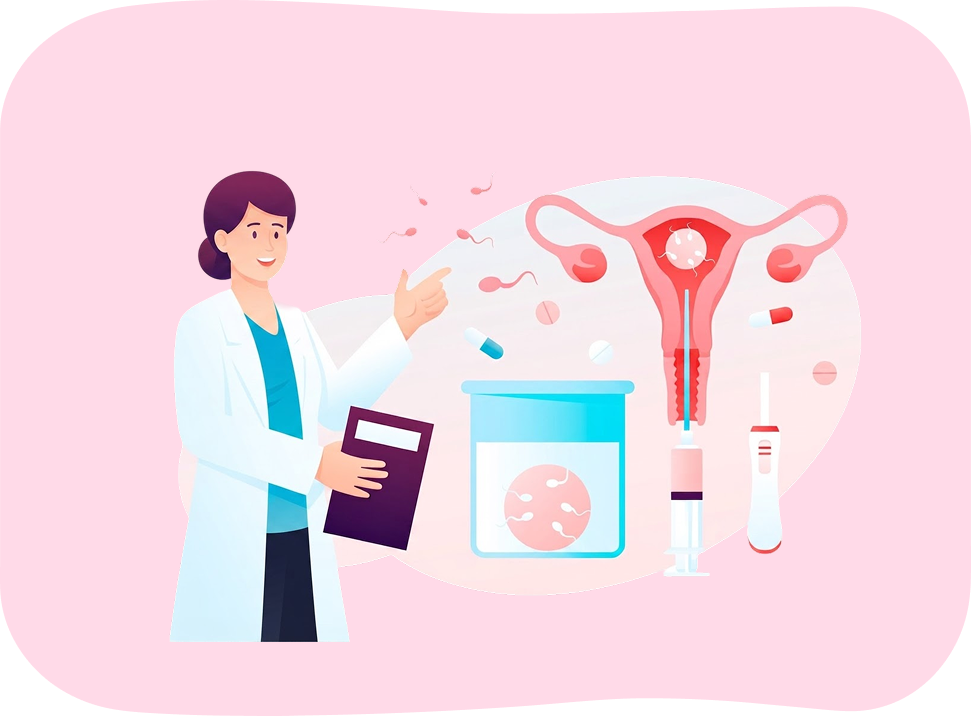
If you have stored sperm: Your stored sperm can be used in an IVF or ICSI procedure. Depending on your situation, this may involve your partner carrying the pregnancy, a donor egg or embryo, and/or a surrogate.

If you have not stored sperm: If you have not had surgery affecting your reproductive organs, it may be possible to pause hormone therapy and allow sperm production to resume, though this cannot be guaranteed. This approach requires careful medical management and may present additional emotional challenges.

It is also not yet fully understood whether prior hormone therapy may affect the health of a child conceived this way.

Support from your treating doctor and a counsellor or therapist is strongly recommended before and throughout this process.

Donor sperm, donor eggs or embryos, and surrogacy are all options depending on your circumstances.

A note on Pre-existing Fertility

This information focuses on fertility considerations specific to gender-affirming care. Some people may also have fertility challenges that exist independently of any medical transition steps. A fertility specialist can assess your individual situation and help you understand all of the options available to you.

DISCLAIMER: We are a fully volunteer-run organisation. If you find any information on this website you believe is incorrect or needs updating, please let us know at hello@artfam.com.au.

Acknowledgement of Country

ARTFam & ASMBC acknowledge the Traditional Custodians of the land on which we live, work, and build our families. We pay our respects to the Elders past and present, and we honour the strength, knowledge, and enduring connection that Aboriginal and Torres Strait Islander peoples have to family, community, culture and Country.

Sign up for newsletters